Foot Pain? Don’t Ignore What Your Feet Are Telling You

Elliot Landy • February 23, 2026

Let’s be honest, most of us only think about our feet when they start hurting.

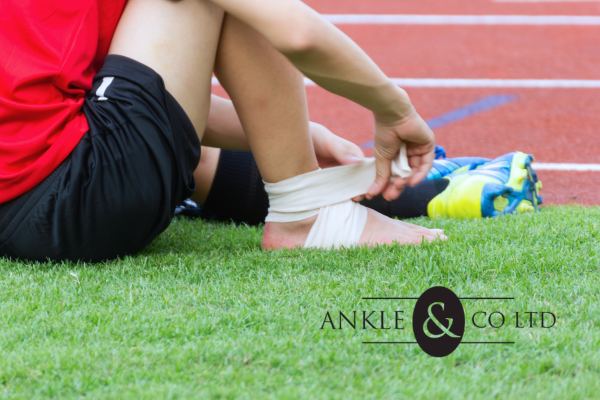
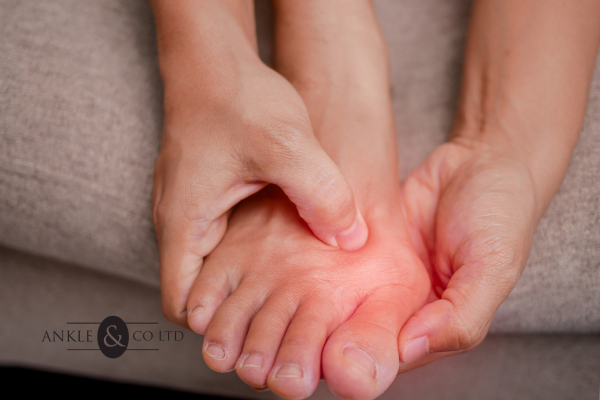
Whether you’ve been sidelined by heel pain, woken up with aching arches, or found yourself favouring one side, foot pain isn’t just inconvenient it can change how you live your life.

At Ankle & Co, we see far too many people shrugging off pain as “just normal.” But here’s the truth: you don’t have to just live with it.


So, what are your feet trying to tell you?


Your feet are the foundation of every step you take. They absorb impact, support your weight, and keep you moving. But like anything that works hard, they can wear down, become strained or develop imbalances over time.


There are a bunch of reasons your feet might start to hurt and not all of them are obvious:


  • Pain after long walks, standing, or activity
  • Aching in the heel, arch, or ankle
  • Swelling or stiffness in the morning
  • Trouble balancing or standing on tiptoe
  • Changes in the way your shoes wear down

These are all ways your body might be saying, “Hey… let’s take a closer look at this.”


The Hidden Cost of Ignoring Foot Pain


You might think “I just need new shoes” or “it’ll settle down.” For some people, that’s true. But unresolved foot problems can ripple out into bigger issues over time, including:


  • Overpronation (feet rolling inward)
  • Knee, hip or lower back discomfort
  • Persistent inflammation like plantar fasciitis
  • Foot deformities like bunions or hammertoes
  • Ankle instability or recurrent sprains


Foot pain isn’t always severe. Sometimes it’s that nagging discomfort, the kind that makes stairs feel twice as long or walks only half as nice.


Let’s Take Action (Without the Fear)


You don’t have to wait until the pain gets unbearable to get help. In fact, early assessment often makes treatment easier and more effective.

Here’s how we help at Ankle & Co:


  •  Honest assessment – We don’t rush. We find the source of the problem, not just treat the symptom.
  • Personalised plans – You’re unique, your treatment should be too.
  •  Clear explanations – No jargon, no guessing, just answers.
  •  Range of options – From supportive footwear and targeted exercises, to specialist treatments and surgeries when needed.


If you’re in consistent pain, contact us today to book an appointment. 


bunion specialist Leeds
By Elliot Landy June 2, 2026
Leeds has one of the most active running communities in the North of England. Whether you're training with Valley Striders, lining up for the Rob Burrow Leeds Marathon, or logging early-morning miles along the Leeds-Liverpool Canal, this city moves and it moves fast. For those managing a bunion, however, that freedom to run can feel under genuine threat. Bunion pain while running is one of the most common complaints seen at foot clinics across West Yorkshire, and it stops many active adults in their tracks often unnecessarily. With the correct clinical guidance, appropriate footwear, and targeted biomechanical support, the vast majority of runners can continue training without causing further damage to the joint. This guide has been written specifically for Leeds-based runners and triathletes by the team at Ankle & Co , led by Mr Ray Monkhouse one of the most experienced foot and ankle surgeons in West Yorkshire. What Is a Bunion and Why Does Running Make It Worse? A bunion known clinically as Hallux Valgus is a structural deformity of the forefoot. The first metatarsal bone gradually drifts outward, while the big toe angles inward toward the smaller toes. The result is the familiar bony prominence at the base of the big toe joint, often accompanied by redness, swelling, and a dull, persistent ache. The problem with running is one of load. During normal walking, the big toe and first metatarsophalangeal (MTP) joint bear a substantial portion of your body weight. During running, that force increases to roughly three to five times your body weight with every foot strike. For a foot that is already structurally misaligned, that level of repetitive loading creates serious problems. Rather than a smooth, efficient push-off through the big toe, the MTP joint is subjected to excessive shearing and rotational stress. Over time, this accelerates the progression of the deformity and inflames the small fluid-filled sac that cushions the joint, a condition called bursitis. Left unmanaged, bunion pain while running can progress to a point where it affects everyday walking as well. Common symptoms runners report include: A deep, aching pain inside the joint during or after longer runs Sharp, localised friction and blistering where the bony bump contacts the shoe's upper Post-run redness, heat, and visible swelling around the joint A gradual change in running gait as the body compensates to avoid pain If any of these apply to you, an assessment with a bunion specialist in Leeds is the most effective next step. The Footwear Factor: Why Most Running Shoes Are Part of the Problem The design of conventional running shoes presents a real challenge for runners with bunions. Traditional tapered toe boxes compress the forefoot, forcing the big toe into the very position that accelerates bunion progression. Add the friction of an ill-fitting upper against the bony prominence, and you have a reliable recipe for inflammation and skin breakdown. When choosing footwear for running with a bunion, there are three factors that should be non-negotiable. A wide, anatomical toe box . Brands such as Altra, Topo Athletic, and certain wide-fit options from Brooks and New Balance are designed to allow the toes to splay naturally during the propulsive phase of running. This takes direct pressure off the MTP joint and reduces the mechanical forces that worsen the deformity. Flexible, seamless uppers. Engineered mesh or knit materials that stretch to accommodate the bony prominence without causing friction are far preferable to rigid overlays or thick stitching positioned directly over the bunion. Even a small seam in the wrong place can cause significant irritation during a long run. Appropriate stability for your gait type . Many runners with bunions also overpronate the foot rolls excessively inward during each foot strike. Overpronation places additional load on the first MTP joint and accelerates deformity progression. A shoe with appropriate medial support, guided by a professional gait assessment, can make a significant difference to both comfort and long-term joint health. It is worth noting that footwear alone addresses only the external environment. It does not correct the underlying biomechanical pattern driving the problem. Custom Orthotics: The Clinical Difference For runners serious about protecting their joints over the long term, custom orthotics are among the most clinically effective tools available. Off-the-shelf insoles provide generalised cushioning, but they are not calibrated to your specific gait pattern, foot structure, or the precise timing of your joint loading, all of which are critical when managing a bunion in an athletic context. A prescriptive orthotic device, designed following a detailed biomechanical assessment, works in several targeted ways: Offloading the first MTP joint. Structural modifications such as a first metatarsal cut-out or a sub-metatarsal pad redistribute plantar pressure across the broader forefoot, reducing the concentrated load on the bunion joint during push-off. Controlling rearfoot pronation. By stabilising the heel and supporting the medial arch, a well-designed orthotic reduces the inward twisting motion that transfers destructive force to the big toe during the terminal stance phase of each stride. Improving overall mechanical efficiency. When the foot functions as a properly aligned lever, energy transfer through the kinetic chain improves. For competitive runners targeting events like the Rob Burrow Leeds Marathon or local parkrun courses, that translates to better sustained form over distance and less post-run joint inflammation. At Ankle & Co, orthotics are prescribed as part of a comprehensive assessment, not in isolation. Mr Ray Monkhouse and the clinical team take the time to understand your training load, your goals, and the specific mechanics driving your symptoms before recommending a treatment plan. Practical Management Strategies for Active Runners If you are currently in a training block and cannot afford significant downtime, the following strategies can help manage symptoms while a longer-term plan is put in place. Post-run icing. Applying ice wrapped in a thin cloth to the MTP joint for 15 minutes immediately after training helps manage acute inflammation. This is particularly useful during periods of increased mileage or following harder sessions. Modified lacing technique. Skipping the eyelets directly over the bunion and threading the lace straight to the next level creates a localised area of reduced pressure on the shoe's upper. This is a simple but often effective adjustment for runners who experience friction pain during longer efforts. Daily foot mobility work. Spending five minutes each morning on toe spreads, short-foot exercises, and towel-curl drills keeps the intrinsic musculature active and helps prevent the joint from stiffening into a progressively worse position. Silicone toe spacers. Used during daily activity (not always practical inside running shoes), toe spacers help maintain some degree of toe alignment and can reduce the rate at which the deformity advances. These measures are supportive, not corrective. They are useful adjuncts to professional care, but they do not address the structural or biomechanical factors that caused the bunion in the first place. When Conservative Treatment Is No Longer Sufficient Conservative measures: Orthotics, footwear adjustments, taping, anti-inflammatory management are designed to slow the progression of a bunion, reduce pain, and preserve function. They do not reverse the underlying bony deformity. For some runners, there comes a point where bunion pain while running persists regardless of footwear and insole modifications, or where the discomfort begins to affect daily life away from sport. At this stage, a formal clinical evaluation to consider corrective options is entirely appropriate. Modern bunion surgery has advanced considerably from the procedures of previous decades. Minimally invasive techniques now allow for precise correction of the first metatarsal with smaller incisions, reduced soft tissue disruption, and faster return-to-activity timelines. Many active adults including those with demanding training schedules are good candidates for surgical correction, provided the decision is made at the right time and with the right specialist. Mr Ray Monkhouse holds clinics at Nuffield Health Leeds and across NHS sites in the city. His surgical expertise in Hallux Valgus correction means patients receive an informed, proportionate recommendation not an automatic push towards an operating table when conservative options remain viable. Why Leeds Runners Choose Ankle & Co. Managing a foot condition as an active person requires a specialist who understands both the clinical picture and the demands of sport. Generic advice to "rest and see how it goes" rarely serves a runner preparing for a half-marathon or a triathlete working through a structured training block. At Ankle & Co, assessments are thorough, treatment planning is individualised, and the aim is always to keep patients active wherever it is clinically safe to do so. Mr Monkhouse's background in foot and ankle surgery combined with his broader understanding of lower-limb biomechanics means that runners across West Yorkshire receive care that is genuinely tailored to their needs and goals. Whether you are looking for a second opinion on a bunion that has been bothering you for months, or you want to get ahead of a structural problem before it begins to affect your training, the Ankle & Co. services page outlines the full range of conditions treated. Book a Biomechanical Assessment in Leeds Bunion pain does not have to mean the end of your running. With the right clinical input, whether that is custom orthotics, a footwear review, targeted rehabilitation, or a frank conversation about surgical options, most runners can continue to train effectively while protecting their joint health for the long term. If bunion pain while running is affecting your training, altering your gait, or simply leaving you with a throbbing foot after every session, the most productive thing you can do is get a proper assessment. Book a consultation with Mr Ray Monkhouse at Ankle & Co. Available privately at Nuffield Health Leeds or through NHS clinics at Chapel Allerton Hospital and Leeds General Infirmary. Fill out the contact form and a member of the clinical team will be in touch to confirm your appointment. Don't let a bunion dictate your mileage. Speak to a foot specialist in Leeds today.

Achilles tendon pain Leeds
By Elliot Landy May 13, 2026
There is a particular kind of stubbornness that belongs to the active person in their forties and fifties. You have earned your fitness. You know your body. You have run through niggles before, and you have come out the other side just fine. So when the back of your heel starts talking to you on your Saturday morning run through Roundhay Park, or midway up Otley Chevin, your instinct is to push on through. Sometimes that instinct is right. Sometimes it is the instinct that turns a six-week problem into a six-month one. Achilles tendon pain in Leeds is one of the most common musculoskeletal complaints seen in active adults between 40 - 60 and it is one of the most frequently mismanaged. Not because people are careless, but because the line between "manageable overuse" and "this needs professional attention" is genuinely difficult to read without the right information. This guide is written to give you that information. By the time you reach the end, you will know exactly when to back off intelligently, when to keep moving, and when to stop second-guessing yourself and book a consultation with a foot and ankle surgeon in Leeds. Why the Achilles Tendon Deserves More Respect Than Most People Give It Named after the Greek hero whose only vulnerability was a single point in his heel, the Achilles tendon is the thickest and strongest tendon in the human body. It connects the gastrocnemius and soleus muscles of the calf to the heel bone, the calcaneus and it bears the full force of locomotion with every step you take. When you run, it absorbs between three and eight times your body weight per stride. When you climb stairs, sprint for a train, or push off a kerb without thinking, the Achilles is doing the quiet, heroic work that makes all of it possible. Its Achilles heel, if you will forgive the expression; is a section of the tendon located approximately two to six centimetres above where it meets the heel bone. This area, known as the "watershed zone," has a significantly reduced blood supply compared to the rest of the tendon. When the tendon sustains micro-damage from repeated loading, this is the zone where the body struggles most to deliver the nutrients and repair cells needed for recovery. It is the reason so many Achilles problems are slow to resolve, and it is the reason that ignoring early warning signs so often leads to a much longer road back. The 40–60 Window: Why This Decade Is Different If you are between 40 - 60 and currently experiencing heel or tendon discomfort, you are in the most statistically common demographic for Achilles problems and there is a specific biological reason for that. As we age, our tendons undergo a gradual but meaningful change. The collagen fibres that give the Achilles its tensile strength become less pliable. The water content of the tendon decreases. The vascular supply, already limited in that watershed zone, diminishes further. The result is a tendon that is somewhat less forgiving of sudden increases in load, changes in training surface, or the classic pattern of the "weekend warrior": sedentary through the week, full throttle at the weekend. This is not a story about getting old. It is a story about physiology. The tendon you have at 50 is not the tendon you had at 25, and it responds differently to the same demands. That is not a reason to stop being active, quite the opposite. But it is a reason to pay closer attention to what your body is telling you, and to respond with more intelligence than you might have needed to in your thirties. Achilles tendinopathy, the clinical term for the degenerative breakdown of collagen fibres within the tendon, is the most common presentation in this age group. It is a spectrum condition, meaning it exists on a continuum from mild irritation to significant structural disorganisation. Where you are on that spectrum determines how you should respond. Part One: When You Can Manage This Yourself Not every twinge in the back of the heel needs a clinical appointment. In the early stages of Achilles tendinopathy, intelligent self-management can be genuinely effective and modern sports medicine has moved decisively away from the old advice of total rest. Tendons do not respond well to complete inactivity. They need load to heal. The goal in early-stage management is not to stop moving, but to move differently to reduce the provocative load whilst maintaining the stimulus that encourages tissue repair. The 24-Hour Rule The single most useful tool for monitoring your own tendon health is how it feels in the 24 hours after exercise. If you experience some mild discomfort during activity that resolves within 24 hours of rest, your tendon is likely adapting to the demands being placed on it. You can continue exercising, but consider reducing the intensity or duration and avoid sudden spikes in training load, particularly hill work, speed sessions, or transitions to harder surfaces. If the pain is noticeably worse the morning after exercise, or lingers for 48 hours or more, your tendon is telling you clearly that it is being overloaded. Continuing to push at the same level is not "pushing through", it is causing further damage. Morning Stiffness A common early sign of Achilles tendinopathy is stiffness in the back of the heel when you first get out of bed in the morning. If that stiffness settles within five to ten minutes of gentle movement, you are likely in the early-to-moderate range of the condition and may well be able to manage it conservatively with the right approach. If the stiffness does not ease, or if it is accompanied by significant pain, that shifts the picture. Relative Rest and Low-Impact Alternatives Leeds is a city with excellent options for maintaining cardiovascular fitness without loading the Achilles. Swimming at one of the city's leisure centres, cycling on the flat, or using a rowing machine all allow you to stay fit and active whilst giving the tendon a meaningful reduction in impact stress. This is far preferable to stopping altogether both for your physical health and your mental wellbeing. Footwear It is worth pausing here on something that is easily overlooked. Most running trainers have an effective lifespan of 300 to 500 miles. Beyond that, the cushioning and support structures break down in ways that are not always visible to the eye. If you have been wearing the same pair for a couple of years of regular use, there is a reasonable chance your footwear is no longer doing what it was designed to do and your Achilles is compensating for that. A visit to a specialist running shop in Leeds for a gait assessment and an honest look at your current trainers is a low-cost first step that is genuinely worth taking. Part Two: The Signals That Mean It Is Time to See a Specialist Self-management has clear limits, and knowing those limits is as important as knowing how far you can push. There are specific presentations of tendon problems in the foot that should not be managed at home, and that require the expertise of a foot and ankle surgeon in Leeds to assess and treat properly. A Sudden "Pop" or Snap If you experience a sudden, sharp pain in the back of the leg often described as feeling like someone has kicked you from behind, sometimes accompanied by an audible snap, you must seek immediate medical assessment. This presentation is characteristic of an Achilles tendon rupture, either partial or complete. This is not something to walk off, ice overnight, and reassess in the morning. It requires prompt imaging and specialist review. Delay in assessing and treating a rupture can significantly affect the outcome and the recovery timeline. A Visible or Palpable Lump If you notice a firm nodule, a thickened "bump," or an area of clear swelling on the tendon that persists at rest, this is not simple inflammation. It indicates significant disorganisation of the collagen fibres within the tendon, a degree of structural change that does not resolve with conservative self-management alone and requires imaging to understand its extent. A Bony Prominence at the Back of the Heel Some patients present with what is known as Haglund's deformity, a bony enlargement at the back of the heel bone that creates friction against the Achilles tendon. This is a structural issue, not simply an overuse one, and it will not improve with rest or stretching alone. It requires specialist assessment to determine the most appropriate management, which may range from orthotics and footwear modification through to surgical intervention in more advanced cases. Pain That Has Changed How You Walk If you are limping, shortening your stride, favouring one side, or avoiding the stairs even subconsciously the condition has progressed to a point where it is affecting your biomechanics. This matters because altered gait patterns create downstream problems. Compensatory loading of the knee, hip, and lower back can develop quickly, turning a single tendon issue into a broader musculoskeletal problem. At this point, professional assessment is not optional. No Meaningful Improvement After Four to Six Weeks If you have genuinely applied relative rest, addressed your footwear, introduced low-impact cross-training, and managed your training load and you have seen no meaningful improvement after four to six weeks, self-management has reached its ceiling. The tendon needs clinical investigation to understand what is happening structurally, and a treatment plan that moves beyond what you can deliver at home. Part Three: What Evidence-Based Treatment Actually Looks Like When you consult a foot and ankle surgeon in Leeds, the conversation shifts from symptom suppression to structural understanding and targeted recovery. At Ankle & Co, under the care of Dr Monkhouse, the approach begins with accurate diagnosis because the correct treatment depends entirely on understanding exactly what is happening within the tendon. Diagnostic Imaging Ultrasound and MRI are used to determine the nature and location of the tendon pathology. A critical distinction in Achilles tendinopathy treatment in Leeds is whether the condition is insertional, occurring at the point where the tendon meets the heel bone or mid-portion, occurring in the body of the tendon itself. These two presentations respond differently to treatment, and conflating them leads to poor outcomes. Getting this right at the start saves months of misdirected effort. Structured Eccentric Loading This is the gold standard of Achilles tendinopathy rehabilitation, and it is worth understanding why it works. Unlike conventional stretching, which can actually aggravate an irritated tendon, eccentric loading involves slowly lengthening the calf muscle under controlled tension. The classic exercise involves standing on the edge of a step and slowly lowering the heel below the level of the step. Done correctly and progressively, this form of loading signals the tendon to remodel its collagen fibres into a stronger, better-aligned structure. It is not comfortable in the early stages, but the evidence for its effectiveness in mid-portion tendinopathy is robust and well-established. Shockwave Therapy (ESWT) For cases that have not responded to conservative rehabilitation, particularly chronic presentations where the tendon has been symptomatic for months. Extracorporeal Shockwave Therapy is a highly effective clinical tool. High-energy acoustic pressure waves are directed into the tendon tissue, creating controlled micro-trauma that restarts the body's dormant healing response, stimulates blood flow into the watershed zone, and breaks down calcific deposits where present. Most patients require a short course of sessions, and the evidence base for ESWT in both mid-portion and insertional Achilles tendinopathy is strong. Gait Analysis and Custom Orthotics Achilles tendon pain is frequently not an isolated tendon problem, it is a symptom of a mechanical issue elsewhere in the kinetic chain. Over-pronation, restricted ankle dorsiflexion, or a tight posterior chain can all place asymmetric and excessive load on the Achilles during the gait cycle. A detailed biomechanical assessment, including gait analysis, identifies these contributing factors. Where relevant, custom-moulded orthotics are prescribed to realign the foot and reduce the mechanical stress on the tendon during daily movement and exercise. Surgical Intervention The reassuring reality is that the vast majority of Achilles problems somewhere between 80 and 90 per cent are resolved without surgery. But for a minority of patients with severe tendon degeneration, significant Haglund's deformity, or a confirmed rupture where surgical repair is indicated, modern operative techniques are considerably less invasive than they were a generation ago. Minimally invasive approaches allow for more precise intervention, reduced scarring, and a faster return to activity than traditional open procedures. Why Local Expertise in Leeds Matters Leeds is not a generic city. It is a city of hills from the glacial drag of the Otley Road to the long climb out of Kirkstall and of an active population that takes its outdoor life seriously. The Leeds 10K, Parkrun at Woodhouse Moor, the cycling culture born of the Grand Départ, the tennis courts at Roundhay, the dog walks through Golden Acre Park. These are not abstract lifestyle choices. They are the fabric of how people here live. Choosing a specialist who understands that fabric matters. At Ankle & Co, the goal is not simply to manage your Achilles pain, it’s to understand what you want to get back to, and to build a recovery plan that is specifically designed to get you there. A runner's recovery looks different from a walker's. An insertional problem requires a different protocol from a mid-portion one. A 52-year-old returning to competitive tennis has different targets from someone whose priority is pain-free daily life. The consultation is the beginning of a partnership, not a one-off appointment. The Path Forward: Honest Advice Before You Decide If you are in the early stages, morning stiffness that eases, pain that settles within 24 hours, no structural changes. The intelligent move is to manage the load, address your footwear, introduce low-impact alternatives, and monitor carefully using the 24-hour rule.  If you are beyond that stage, if the pain is persistent, if you are changing the way you walk, if you have noticed a lump, if six weeks of sensible self-management has not moved the dial then continuing to wait is not patience. It is a risk. The difference between treating Achilles tendinopathy at six weeks and treating it at six months is significant. Early intervention means a shorter recovery, a more complete outcome, and a much lower risk of the kind of chronic degeneration that eventually narrows your treatment options. Your Achilles tendon is, quite literally, what keeps you moving through the city you live in. It deserves to be taken seriously. Book Your Consultation with Dr Monkhouse at Ankle & Co If your heel pain has moved beyond what rest and self-management can resolve, the next step is a clear and honest clinical assessment with a specialist who can tell you exactly what is happening and exactly what to do about it. Dr Monkhouse and the team at Ankle & Co work with active adults across Leeds to provide accurate diagnosis, evidence-based treatment, and a recovery plan built around the life you want to get back to. Fill out the form to request your consultation → Don't let a manageable tendon problem become a permanent limitation. The sooner you have the right information, the sooner you can act on it.