By Elliot Landy
•
June 2, 2026
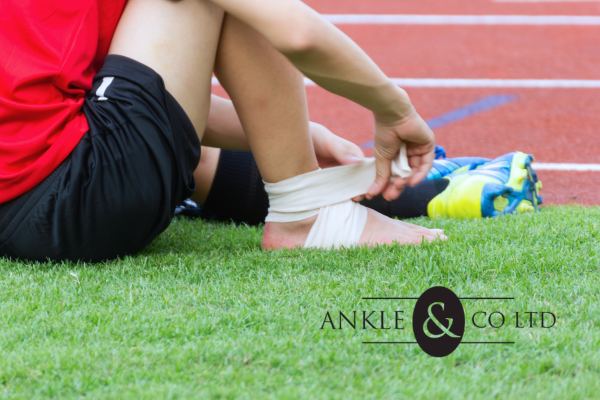
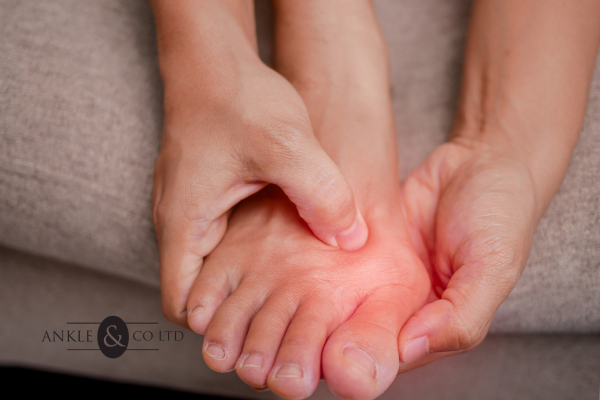
Leeds has one of the most active running communities in the North of England. Whether you're training with Valley Striders, lining up for the Rob Burrow Leeds Marathon, or logging early-morning miles along the Leeds-Liverpool Canal, this city moves and it moves fast. For those managing a bunion, however, that freedom to run can feel under genuine threat. Bunion pain while running is one of the most common complaints seen at foot clinics across West Yorkshire, and it stops many active adults in their tracks often unnecessarily. With the correct clinical guidance, appropriate footwear, and targeted biomechanical support, the vast majority of runners can continue training without causing further damage to the joint. This guide has been written specifically for Leeds-based runners and triathletes by the team at Ankle & Co , led by Mr Ray Monkhouse one of the most experienced foot and ankle surgeons in West Yorkshire. What Is a Bunion and Why Does Running Make It Worse? A bunion known clinically as Hallux Valgus is a structural deformity of the forefoot. The first metatarsal bone gradually drifts outward, while the big toe angles inward toward the smaller toes. The result is the familiar bony prominence at the base of the big toe joint, often accompanied by redness, swelling, and a dull, persistent ache. The problem with running is one of load. During normal walking, the big toe and first metatarsophalangeal (MTP) joint bear a substantial portion of your body weight. During running, that force increases to roughly three to five times your body weight with every foot strike. For a foot that is already structurally misaligned, that level of repetitive loading creates serious problems. Rather than a smooth, efficient push-off through the big toe, the MTP joint is subjected to excessive shearing and rotational stress. Over time, this accelerates the progression of the deformity and inflames the small fluid-filled sac that cushions the joint, a condition called bursitis. Left unmanaged, bunion pain while running can progress to a point where it affects everyday walking as well. Common symptoms runners report include: A deep, aching pain inside the joint during or after longer runs Sharp, localised friction and blistering where the bony bump contacts the shoe's upper Post-run redness, heat, and visible swelling around the joint A gradual change in running gait as the body compensates to avoid pain If any of these apply to you, an assessment with a bunion specialist in Leeds is the most effective next step. The Footwear Factor: Why Most Running Shoes Are Part of the Problem The design of conventional running shoes presents a real challenge for runners with bunions. Traditional tapered toe boxes compress the forefoot, forcing the big toe into the very position that accelerates bunion progression. Add the friction of an ill-fitting upper against the bony prominence, and you have a reliable recipe for inflammation and skin breakdown. When choosing footwear for running with a bunion, there are three factors that should be non-negotiable. A wide, anatomical toe box . Brands such as Altra, Topo Athletic, and certain wide-fit options from Brooks and New Balance are designed to allow the toes to splay naturally during the propulsive phase of running. This takes direct pressure off the MTP joint and reduces the mechanical forces that worsen the deformity. Flexible, seamless uppers. Engineered mesh or knit materials that stretch to accommodate the bony prominence without causing friction are far preferable to rigid overlays or thick stitching positioned directly over the bunion. Even a small seam in the wrong place can cause significant irritation during a long run. Appropriate stability for your gait type . Many runners with bunions also overpronate the foot rolls excessively inward during each foot strike. Overpronation places additional load on the first MTP joint and accelerates deformity progression. A shoe with appropriate medial support, guided by a professional gait assessment, can make a significant difference to both comfort and long-term joint health. It is worth noting that footwear alone addresses only the external environment. It does not correct the underlying biomechanical pattern driving the problem. Custom Orthotics: The Clinical Difference For runners serious about protecting their joints over the long term, custom orthotics are among the most clinically effective tools available. Off-the-shelf insoles provide generalised cushioning, but they are not calibrated to your specific gait pattern, foot structure, or the precise timing of your joint loading, all of which are critical when managing a bunion in an athletic context. A prescriptive orthotic device, designed following a detailed biomechanical assessment, works in several targeted ways: Offloading the first MTP joint. Structural modifications such as a first metatarsal cut-out or a sub-metatarsal pad redistribute plantar pressure across the broader forefoot, reducing the concentrated load on the bunion joint during push-off. Controlling rearfoot pronation. By stabilising the heel and supporting the medial arch, a well-designed orthotic reduces the inward twisting motion that transfers destructive force to the big toe during the terminal stance phase of each stride. Improving overall mechanical efficiency. When the foot functions as a properly aligned lever, energy transfer through the kinetic chain improves. For competitive runners targeting events like the Rob Burrow Leeds Marathon or local parkrun courses, that translates to better sustained form over distance and less post-run joint inflammation. At Ankle & Co, orthotics are prescribed as part of a comprehensive assessment, not in isolation. Mr Ray Monkhouse and the clinical team take the time to understand your training load, your goals, and the specific mechanics driving your symptoms before recommending a treatment plan. Practical Management Strategies for Active Runners If you are currently in a training block and cannot afford significant downtime, the following strategies can help manage symptoms while a longer-term plan is put in place. Post-run icing. Applying ice wrapped in a thin cloth to the MTP joint for 15 minutes immediately after training helps manage acute inflammation. This is particularly useful during periods of increased mileage or following harder sessions. Modified lacing technique. Skipping the eyelets directly over the bunion and threading the lace straight to the next level creates a localised area of reduced pressure on the shoe's upper. This is a simple but often effective adjustment for runners who experience friction pain during longer efforts. Daily foot mobility work. Spending five minutes each morning on toe spreads, short-foot exercises, and towel-curl drills keeps the intrinsic musculature active and helps prevent the joint from stiffening into a progressively worse position. Silicone toe spacers. Used during daily activity (not always practical inside running shoes), toe spacers help maintain some degree of toe alignment and can reduce the rate at which the deformity advances. These measures are supportive, not corrective. They are useful adjuncts to professional care, but they do not address the structural or biomechanical factors that caused the bunion in the first place. When Conservative Treatment Is No Longer Sufficient Conservative measures: Orthotics, footwear adjustments, taping, anti-inflammatory management are designed to slow the progression of a bunion, reduce pain, and preserve function. They do not reverse the underlying bony deformity. For some runners, there comes a point where bunion pain while running persists regardless of footwear and insole modifications, or where the discomfort begins to affect daily life away from sport. At this stage, a formal clinical evaluation to consider corrective options is entirely appropriate. Modern bunion surgery has advanced considerably from the procedures of previous decades. Minimally invasive techniques now allow for precise correction of the first metatarsal with smaller incisions, reduced soft tissue disruption, and faster return-to-activity timelines. Many active adults including those with demanding training schedules are good candidates for surgical correction, provided the decision is made at the right time and with the right specialist. Mr Ray Monkhouse holds clinics at Nuffield Health Leeds and across NHS sites in the city. His surgical expertise in Hallux Valgus correction means patients receive an informed, proportionate recommendation not an automatic push towards an operating table when conservative options remain viable. Why Leeds Runners Choose Ankle & Co. Managing a foot condition as an active person requires a specialist who understands both the clinical picture and the demands of sport. Generic advice to "rest and see how it goes" rarely serves a runner preparing for a half-marathon or a triathlete working through a structured training block. At Ankle & Co, assessments are thorough, treatment planning is individualised, and the aim is always to keep patients active wherever it is clinically safe to do so. Mr Monkhouse's background in foot and ankle surgery combined with his broader understanding of lower-limb biomechanics means that runners across West Yorkshire receive care that is genuinely tailored to their needs and goals. Whether you are looking for a second opinion on a bunion that has been bothering you for months, or you want to get ahead of a structural problem before it begins to affect your training, the Ankle & Co. services page outlines the full range of conditions treated. Book a Biomechanical Assessment in Leeds Bunion pain does not have to mean the end of your running. With the right clinical input, whether that is custom orthotics, a footwear review, targeted rehabilitation, or a frank conversation about surgical options, most runners can continue to train effectively while protecting their joint health for the long term. If bunion pain while running is affecting your training, altering your gait, or simply leaving you with a throbbing foot after every session, the most productive thing you can do is get a proper assessment. Book a consultation with Mr Ray Monkhouse at Ankle & Co. Available privately at Nuffield Health Leeds or through NHS clinics at Chapel Allerton Hospital and Leeds General Infirmary. Fill out the contact form and a member of the clinical team will be in touch to confirm your appointment. Don't let a bunion dictate your mileage. Speak to a foot specialist in Leeds today.